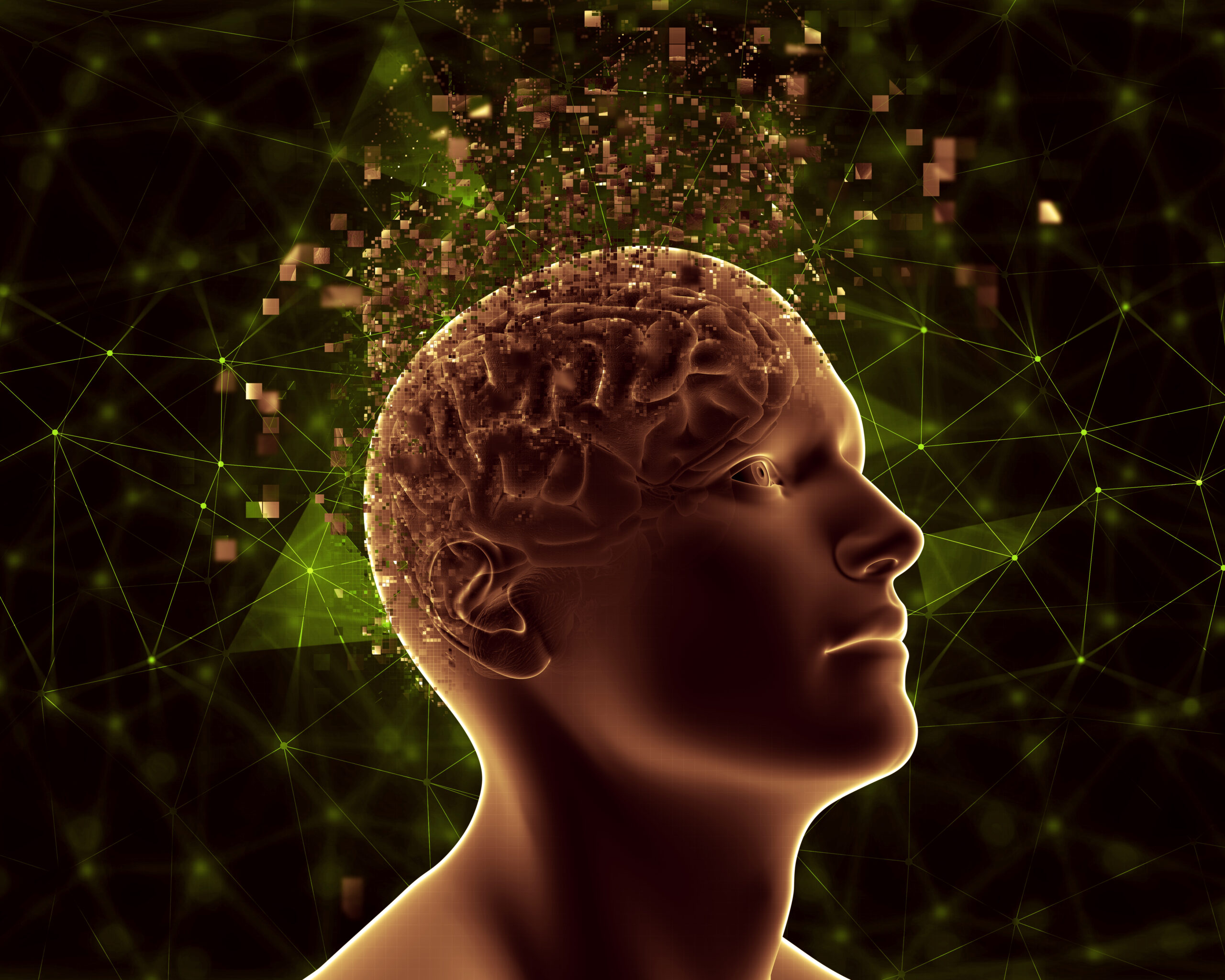
Artificial Intelligence vs. the Human Brain: Unveiling the Power Struggle
Artificial Intelligence (AI) has been a topic of fascination and debate for decades. It has revolutionized industries, simplified tasks, and expanded our understanding of what technology can achieve. In recent years, AI’s capabilities have surged, prompting the question: Is AI more powerful than the human brain?
To assess this comparison, it’s essential to comprehend the intricacies of both AI and the human brain. The human brain is a remarkable organ, with approximately 86 billion neurons, each capable of forming thousands of connections. It processes vast amounts of information, orchestrating everything from basic bodily functions to complex problem-solving. The brain’s ability to adapt, learn, and think creatively is awe-inspiring.
On the other hand, AI represents the pinnacle of human ingenuity in terms of programming and engineering. It encompasses a wide range of technologies, including machine learning, neural networks, and deep learning. AI systems can process data at incredible speeds, analyze patterns, and make predictions with astonishing accuracy. They excel in tasks such as image recognition, language translation, and even playing complex games like chess and Go.
However, AI and the human brain are fundamentally different entities, each with unique strengths and weaknesses. AI excels in specific domains where data can be quantified and patterns can be discerned, making it invaluable in fields like data analysis and automation. It can tirelessly perform repetitive tasks without fatigue and process vast datasets far quicker than any human.
On the other hand, the human brain is unrivaled in its adaptability and creativity. It can comprehend abstract concepts, make complex decisions in uncertain situations, and exhibit emotional intelligence. Our brains are the birthplace of art, literature, philosophy, and scientific breakthroughs. While AI can mimic some of these processes, it lacks true understanding, emotions, and consciousness.
When comparing raw computational power, AI can surpass the human brain in specific tasks. For example, supercomputers like IBM’s Watson can analyze medical data and suggest treatment options with greater precision than any individual doctor. However, this doesn’t mean AI is more powerful overall. The human brain’s versatility allows us to excel in a broader range of activities, from empathetic interactions to creative problem-solving.
Moreover, the human brain has an uncanny ability to learn from experiences and adapt rapidly. We can acquire new skills, languages, and knowledge throughout our lives. In contrast, AI systems require extensive training data and reprogramming to learn new tasks. They are highly specialized and often lack the adaptability of the human mind.
AI’s power is also contingent on the quality and quantity of data it receives. Garbage in, garbage out, as the saying goes. If the data used to train AI models is biased or incomplete, it can lead to erroneous conclusions or reinforce existing prejudices. The human brain, while not immune to bias, has the capacity to reason, question, and challenge preconceived notions.
Another vital aspect is creativity. While AI can generate art, music, and literature, it does so by analyzing existing works and generating patterns. It lacks the genuine creativity that arises from human emotions, experiences, and insights. True innovation and breakthroughs often stem from the human brain’s unique ability to make connections between seemingly unrelated ideas.
Furthermore, ethical concerns surrounding AI persist. As AI systems become more autonomous, questions arise about accountability and decision-making. Should AI be granted the power to make life-altering decisions without human intervention? Striking the right balance between human oversight and AI autonomy remains a significant challenge.
In conclusion, the comparison between AI and the human brain is complex. AI excels in specific domains, offering incredible computational power and efficiency. However, it lacks the breadth and depth of the human brain’s capabilities, including creativity, adaptability, and emotional intelligence. While AI’s growth is undeniable, it is essential to recognize that it complements rather than surpasses the human brain. The two entities can coexist and collaborate to tackle complex problems, with AI enhancing our capabilities rather than replacing them. The true power lies in harnessing the strengths of both AI and the human brain to create a more prosperous and innovative future.
Leave a Reply