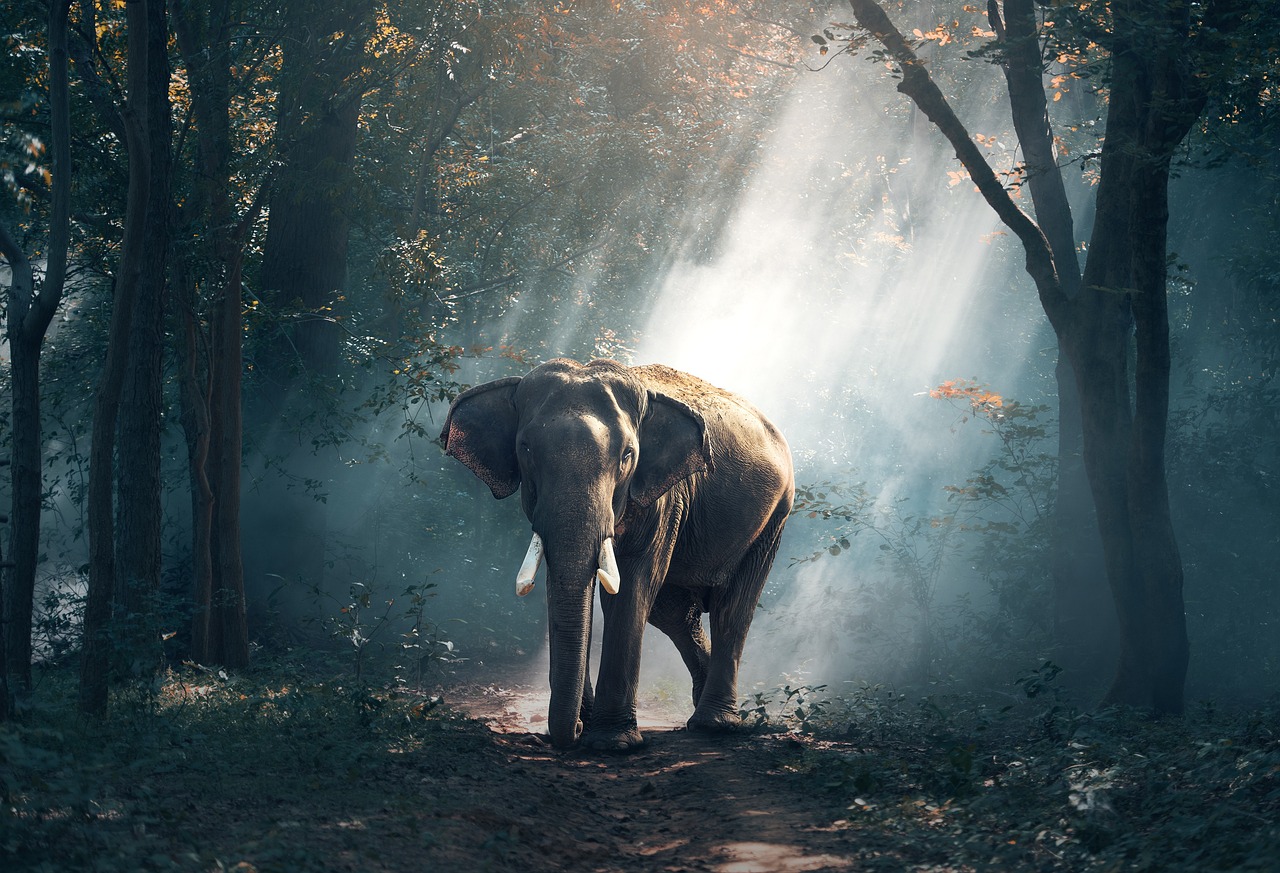
The question of whether there is life after death for an elephant is a complex and intriguing one, touching on themes of mortality, consciousness, and the mysteries of existence. To explore this topic without using the ampersand (&) or quotation marks (“”), we must delve into the realm of biological processes, cultural beliefs, and the enduring legacy of these magnificent creatures.
The Biological Cycle of Life and Death
Elephants, like all living creatures, are subject to the biological cycle of life and death. Their existence, from birth to death, is governed by natural processes that apply to all species on Earth. The life of an elephant begins with birth, a moment of pure vulnerability and innocence. Over the years, they grow, develop, and establish intricate social bonds within their herds.
Death, unfortunately, is an inevitable part of this cycle. As elephants age, their bodies experience wear and tear, and they may face various challenges, such as disease, predation, or environmental factors. When an elephant’s life reaches its natural conclusion, it succumbs to the passage of time and the limitations of its physical form. In this sense, the biological reality for an elephant is that life on Earth ends with death, just as it does for every living being.
Cultural Beliefs and Spiritual Perspectives
While the biological cycle provides one perspective on life and death, cultural beliefs and spiritual perspectives offer a different lens through which to examine the question of what may come after death for an elephant.
In various cultures around the world, elephants hold a significant place in mythology, religion, and folklore. They are often revered as symbols of wisdom, strength, and even divine beings. In some belief systems, there is a concept of an afterlife or a spiritual realm where the souls of deceased creatures, including elephants, may find solace or continue their journey.
For example, in Hinduism, elephants are associated with the god Ganesha, the remover of obstacles and the god of wisdom. Hindu belief systems encompass the idea of reincarnation, where the soul of a deceased being is reborn into a new form. In this context, it is conceivable that the soul of an elephant, after death, might continue its journey in another form or existence.
Similarly, in some African cultures, elephants are considered sacred, and their spirits are believed to endure beyond physical death. Rituals and ceremonies are conducted to honor deceased elephants and seek their blessings for the living. These practices reflect a belief in a spiritual continuity for elephants that transcends the boundaries of earthly life.
Environmental Legacy and Conservation Efforts
Beyond the realm of biological processes and spiritual beliefs, elephants leave a lasting legacy in the ecosystems they inhabit. Their presence and activities shape the landscapes in which they roam, influencing plant communities, nutrient cycling, and even the structure of forests. This legacy extends beyond their individual lives, as the impact of elephants on their environments can persist long after their deaths.
For example, when elephants feed on trees and shrubs, they can shape the composition of plant species in an area. Their dung serves as a source of nutrients for other organisms, promoting biodiversity. Additionally, elephants create water holes by digging in dry riverbeds, providing a vital resource for various animals during times of drought. In this way, the ecological impact of elephants contributes to the vitality and health of their ecosystems, even after they have passed away.
Furthermore, conservation efforts to protect and preserve elephants play a crucial role in ensuring the continued existence of these magnificent creatures. These efforts involve initiatives to combat poaching, habitat destruction, and human-elephant conflicts. By safeguarding elephant populations, we help ensure that their influence on the environment endures and that future generations can experience the awe-inspiring presence of these animals.
The Enigma of Existence
In contemplating the question of life after death for an elephant, we confront the enigma of existence itself. The mysteries of life, consciousness, and what lies beyond the realm of the known have fascinated humans for millennia. While science provides us with a rigorous understanding of the biological processes of life and death, there remain aspects of existence that elude our comprehension.
The profound beauty of this enigma lies in the wonder it evokes, the questions it inspires, and the humility it encourages. As we explore the question of what may come after death for an elephant, we are reminded of the vastness of the universe, the complexity of life’s interconnectedness, and the enduring allure of the unknown.
In conclusion, the biological reality for an elephant is that life on Earth follows a natural cycle, beginning with birth and concluding with death. However, cultural beliefs and spiritual perspectives offer alternative interpretations, suggesting the possibility of a continued journey for the essence or spirit of an elephant. Additionally, the environmental legacy of elephants underscores their enduring impact on ecosystems and the importance of conservation efforts to protect their existence. Ultimately, the question of life after death for an elephant invites us to contemplate the mysteries of existence itself, embracing the profound and eternal enigma of life and its boundless wonders.
Leave a Reply